
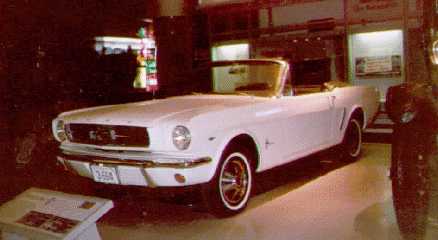
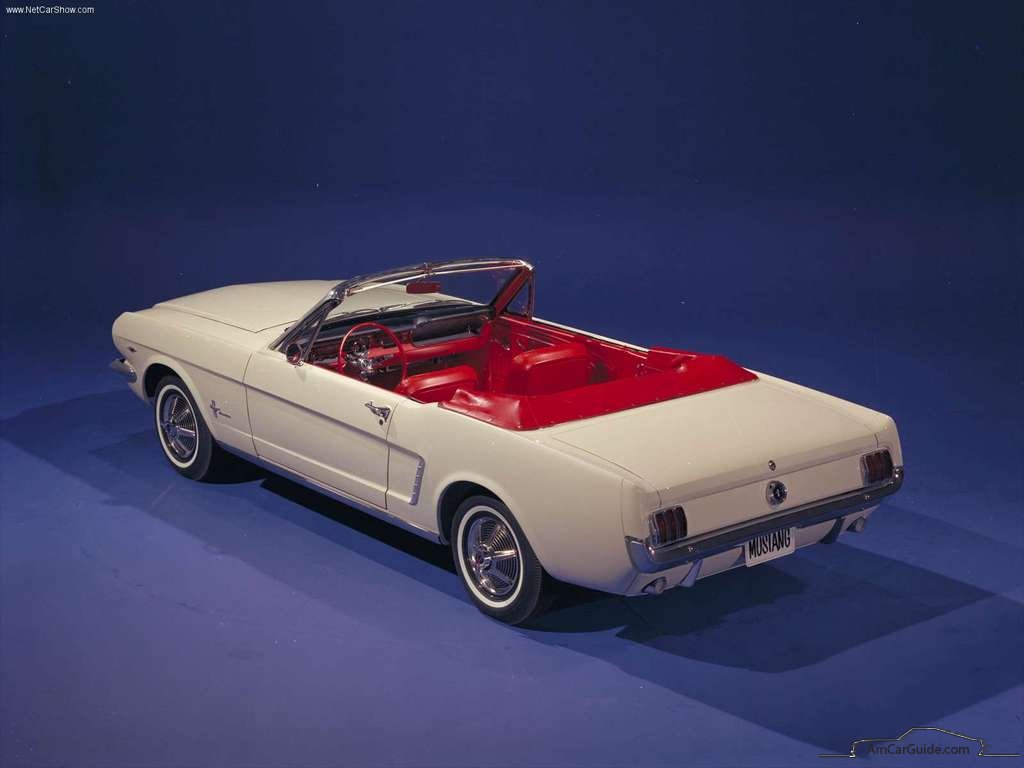
Mustang is the second oldest Ford’s nameplate after F-series truck, but it is the most successful though. This pony car was based on the 2nd generation Ford Falcon, and was firstly introduced on April 17, 1964 at the “NY World Fair”.
Defining the Pony class
Originally the first to compete in this class was Plymouth Barracuda, because it was delivered to public 2 weeks before Mustang. Barracuda was not built as a rival to Ford’s Mustang – it was a series expansion of low-cost sports cars like Plymouth Valiant. But Mustang had unique body style, got more attention from public. When GM introduced Chevrolet Camaro, Mustang got its first redesign. At the same time Pontiac Firebird [based on Camaro] and Mercury Cougar joined the pony family. It looked like family is completed until 1968 AMC Javelin and 1970 Dodge Challenger [Barracuda’s enlarged version] showed up.

Mustangs grew larger and heavier with each year until 1971-1973 models, when Ford got Mustang fans’ request to get back to its size and concept. Even though pony cars were popular, Mustang was the only car not to be interrupted in production during decades.
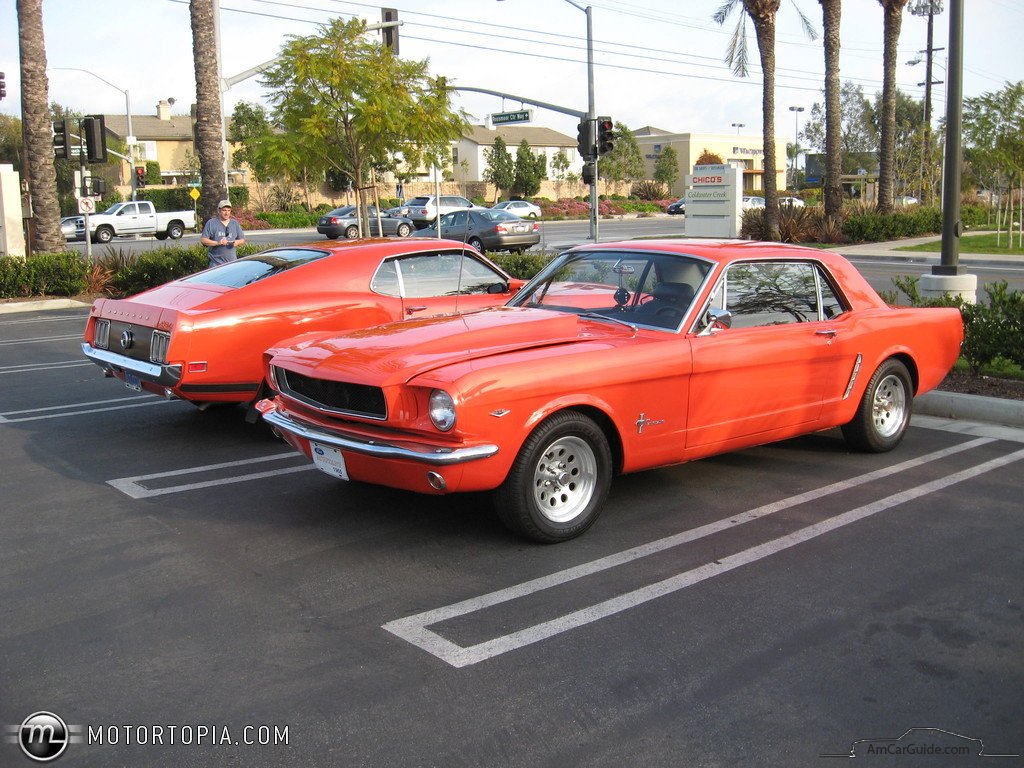
First generation (1964 1/2–1973)
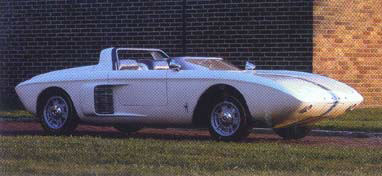
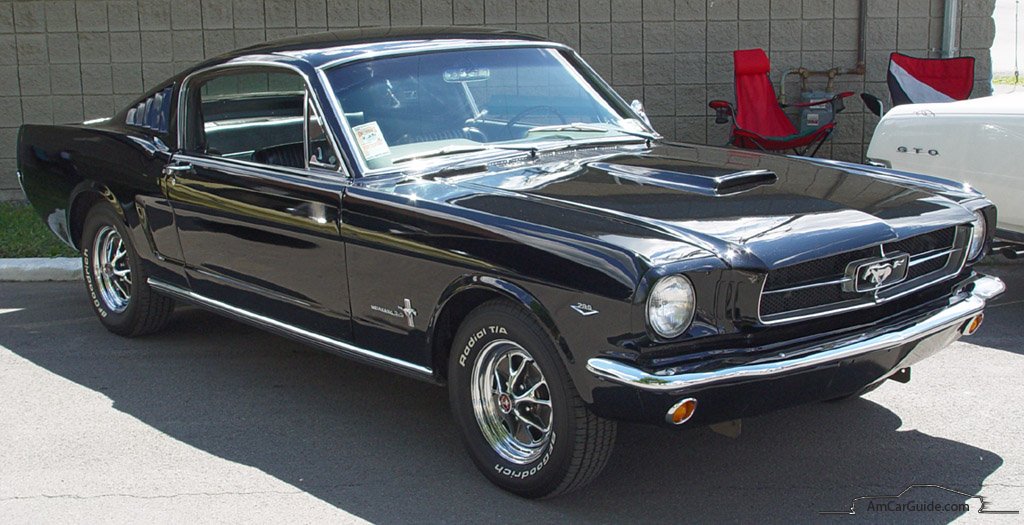
The Mustang prototype was acctually inspired by european market and was two-seat, mid-engine roadster, but soon it got the real pony looks. The reason why 2-seat version was canceled was a poor sales of Ford’s previous 2-seat Thunderbird. The most important man in first steps of this muscle car was Lee Iacoca [Ford’s general manager] that controlled how Mustang should look like. Chief designer of 1955 Mustang – Joe Oros said, that exterior and interior design was set quite simply: desirable by both sexes, Ferrari/Maserati-like looking but not too heavy car with air intakes that ventilate rear brakes and as sporty, as possible. In 18 months, first Mustang was ready to go. The original sale plan was 100.000 per year, but there were 22.000 sold during the first day on the market and 1.000.000 during the second production year. It was so popular among the public, that it laid a concept of pony car trend and is the only muscle car class that is still produced nowadays.
Engines
Engine range started with a lame 170 cubic [2.8 liter] straight-6 OHV that had only 101 HP, later 200 cubic straight-6 OHV [3.3 liter, 116 HP] was introduced. A 260 cubic [4.3 liter, 164 HP] 2-barrel carburetor equipped V8 was followed by 289 cubic [4.7 liter] V8 with also 2-barrel [210HP] or 4-barrel carburetor which made Mustang have something serious under the hood – 210 HP. “K-code” badged muscle cars were equipped with a famous high-compression 4-barrel 289 cubic V8 engine pumping mean 271 horses. There were 3 kinds of gearboxes available: 3-speed manual which was standard with every engine except 289 with 271 HP [this one one had 4-speed manual – the second choice] and the last 3-speed Cruise-O-Matic automatic transmission. There were a few future changes including Shelby GT500 428 cubic V8 engine with massive 355 HP.
Power and changes
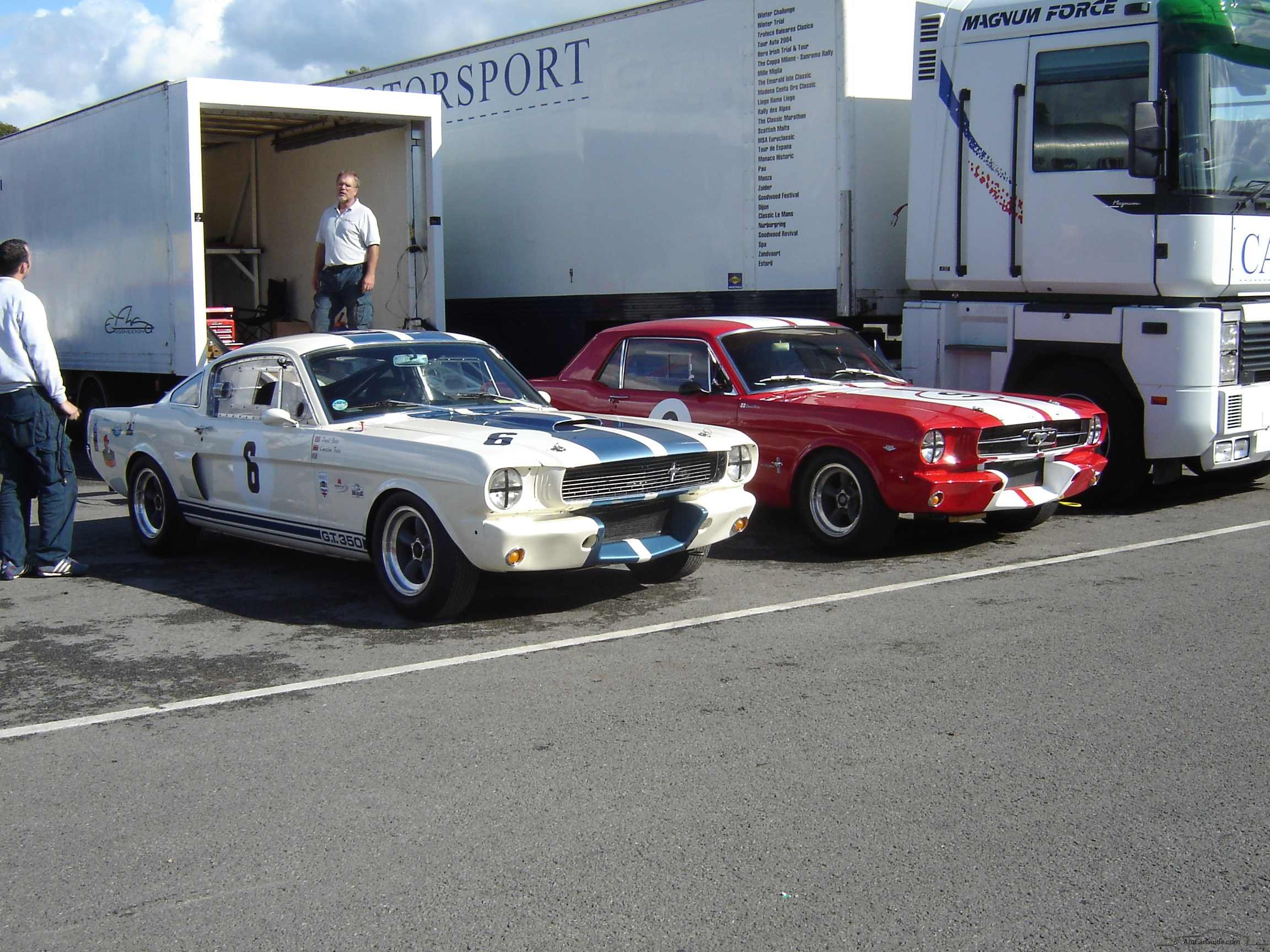
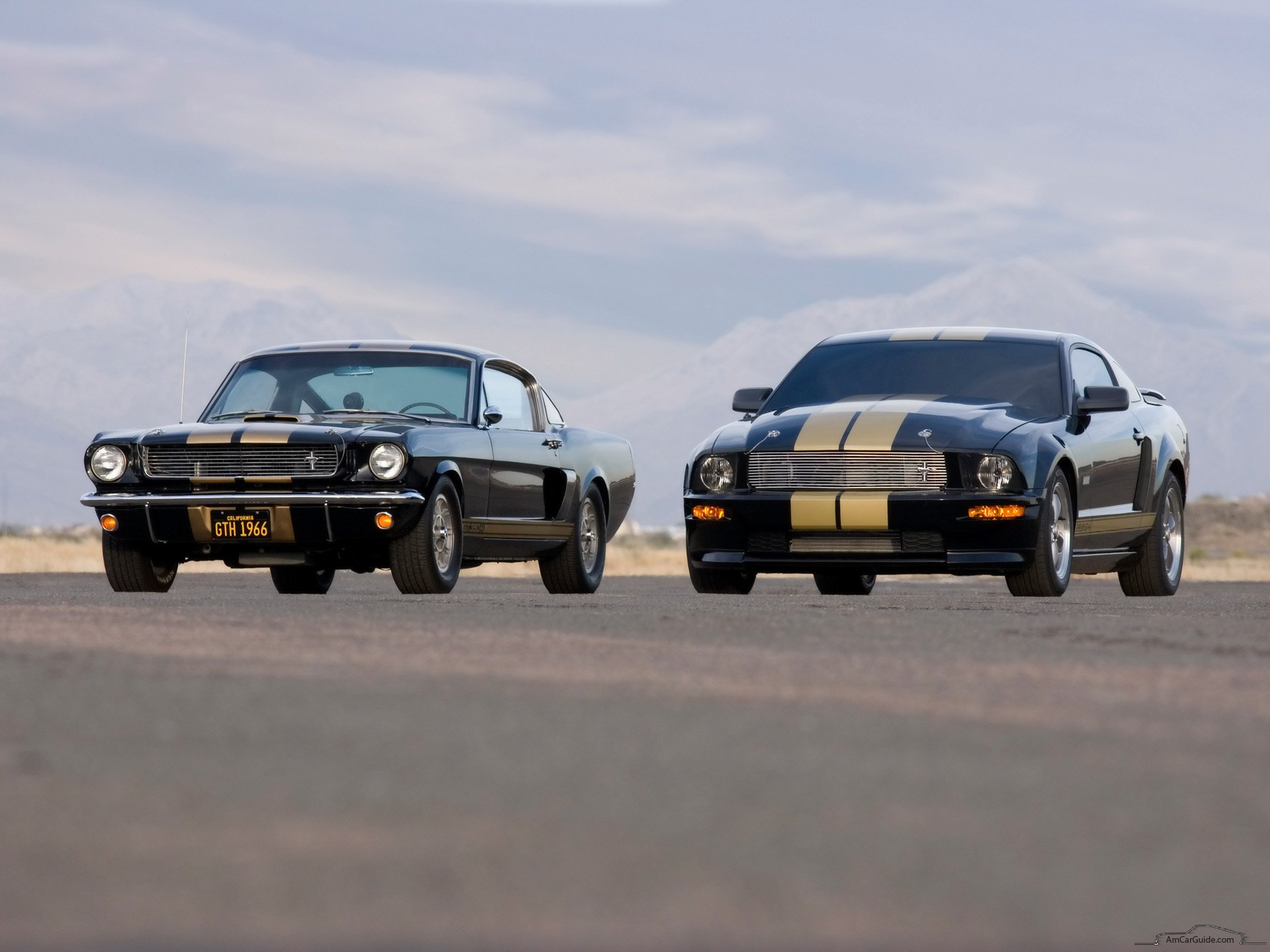
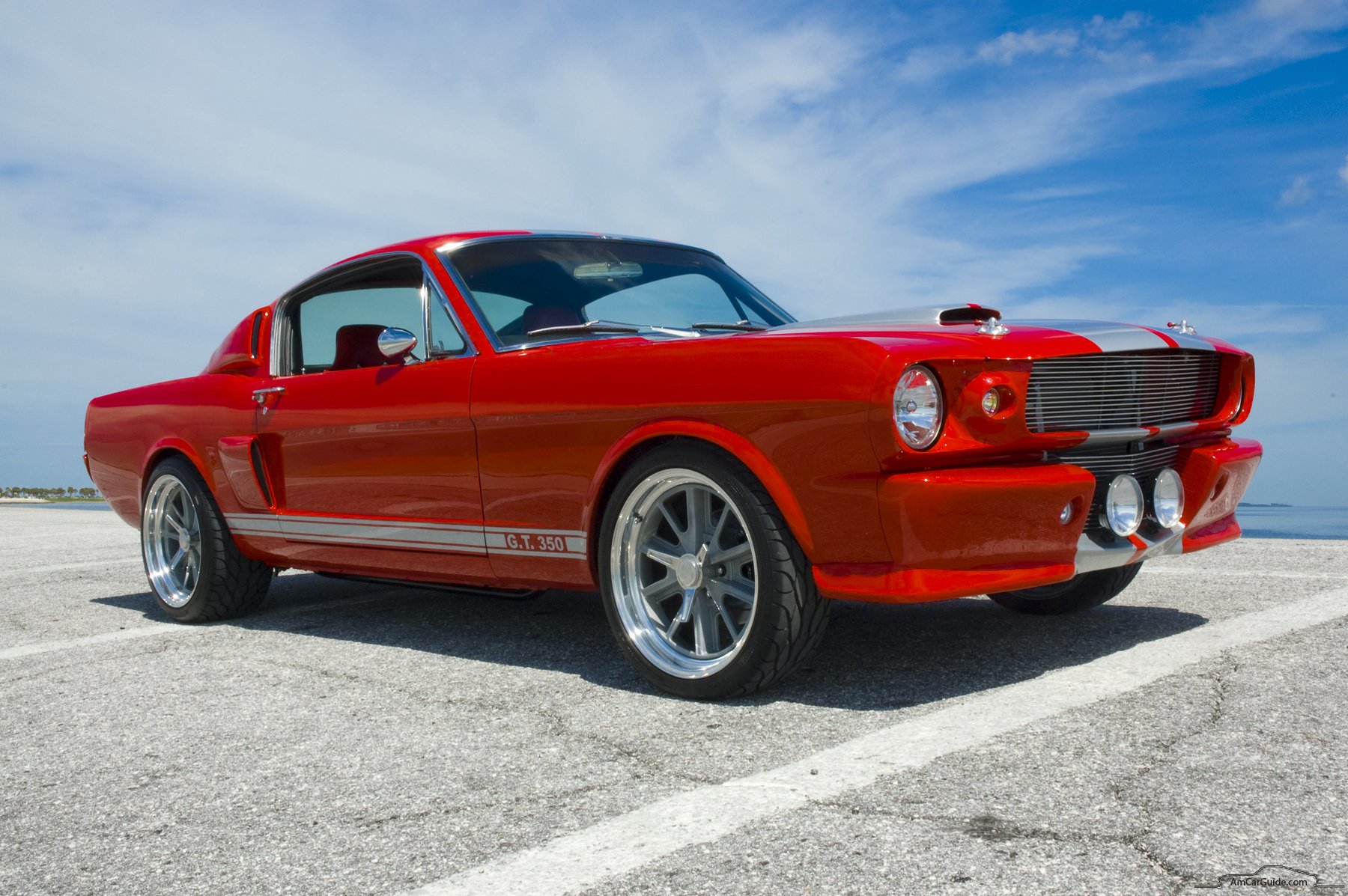
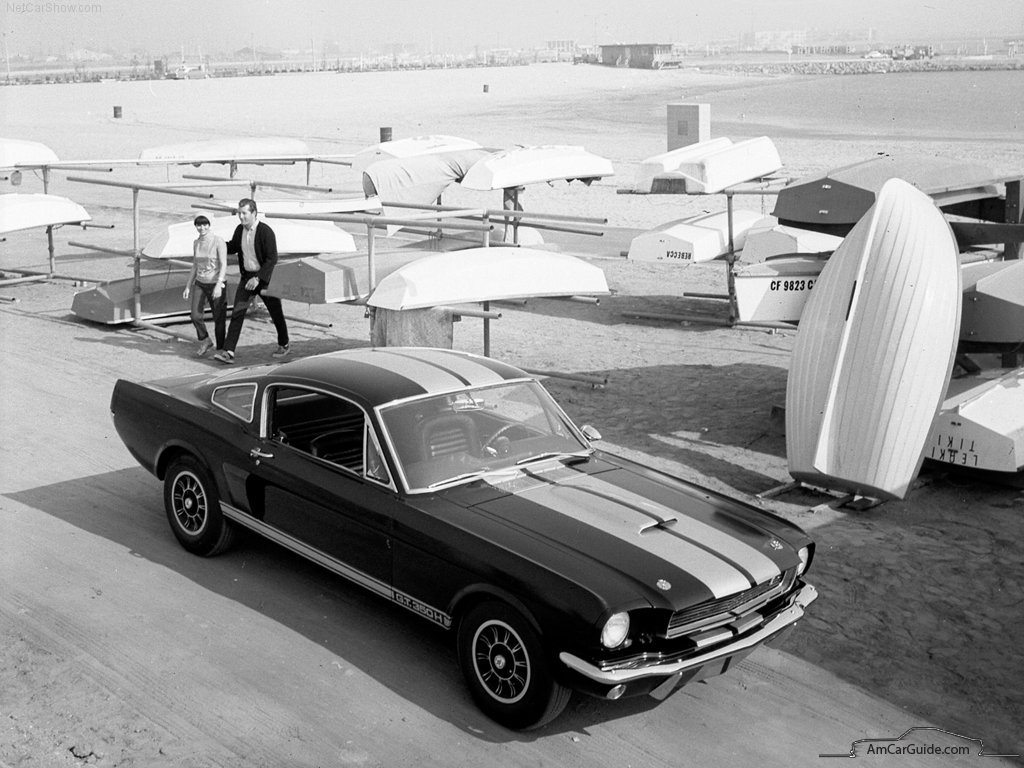
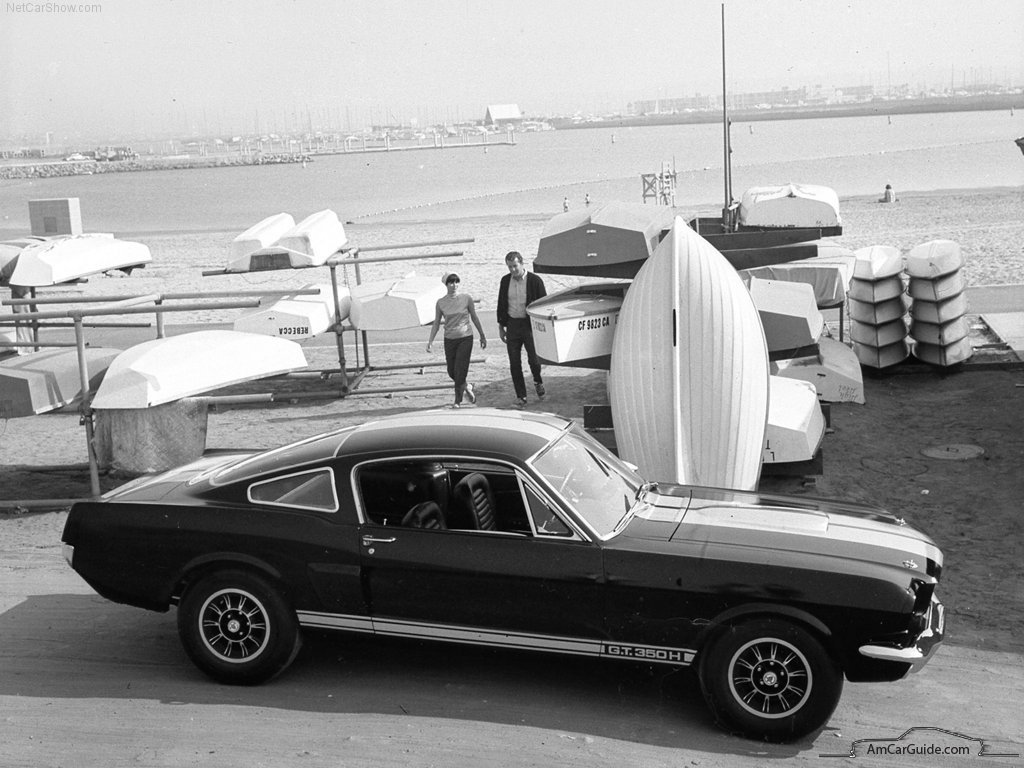
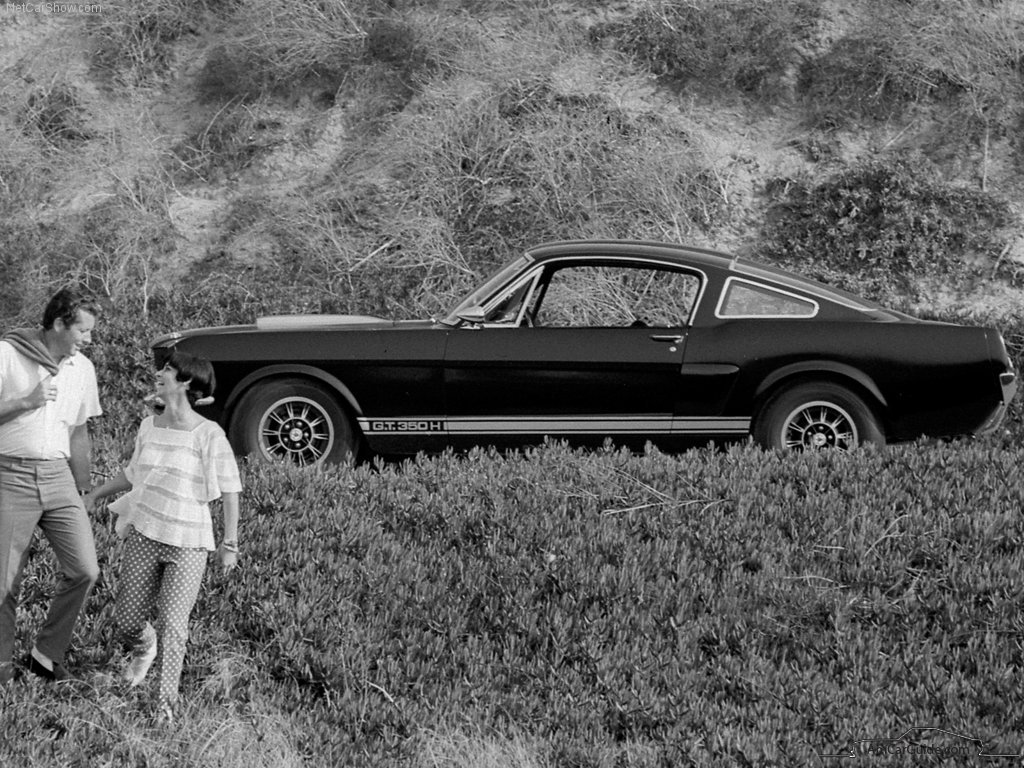
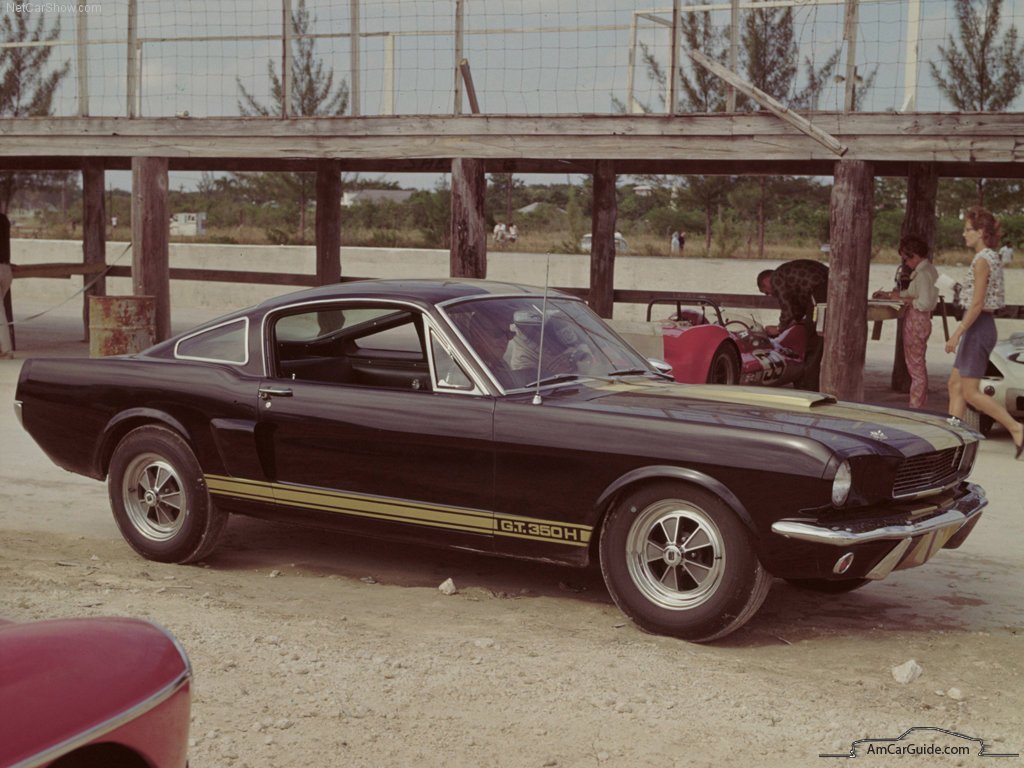
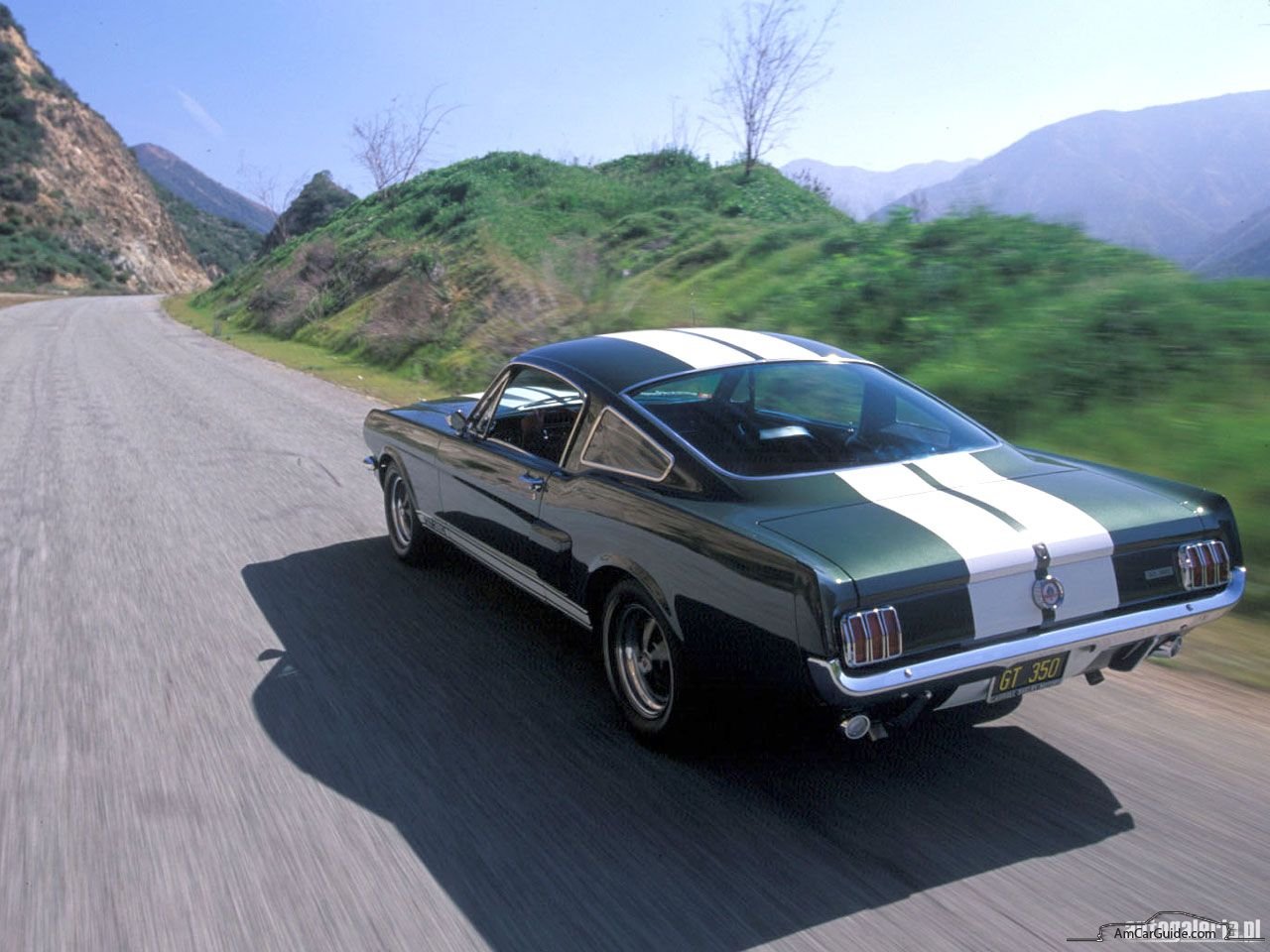
Ford themselves were shocked by Mustang’s popularity and with so many of them on the streets, they were naturally raced. In order to race Chevrollet’s Corvette on race track, Ford had to built al least 100 units of 2-seaters by the January 1965. This is when Carroll Shelby joined Ford. This longtime racer from Texas took 100 2+2 equipped K-code Mustang fastback units and modifficated them into GT-350 models that had these performance such items as oversize front brakes, fiberglass hood, lowered suspension and 306 HP street legal 289 V8, and…. special 360 HP GT-350R which was fully race ready.
1967 model got a massive restyle: bulkier sheetmetal, more aggressive grille, new tail, full fastback line for fastback body. Shelby GT-350 was still with 289 V8, but with less HP – 290. The Shelby GT-500 was powered by a redesigned 428 cubic V8. All in all, these Shelbies were the last ones actually built by Shelby [Shelby-American], later models were built by Ford with a little touch of Carroll.
In 1968 Mustang received simplyfied grille, some minor changes and 427 cubic engines with enough power. The biggest news was a famous 428 Cobra Jet. These engines were based on regular 428, but had larger valve heads, 427’s race manifold, ram-air induction breathed through functional hood scoop. The power for Cobra Jet was rumoured to be arround 410 HP even though officially there were claimed to be 335 HP under the hood. The GT-350 model dropped its engine and power – it changed into 302 cubic engine with 250 HP. Quite soon, during the same year, GT500 was replaced by GT-500KR [King of the Road]. It had new ram-air 428 Cobra Jet, but was less powerful – 335 HP.
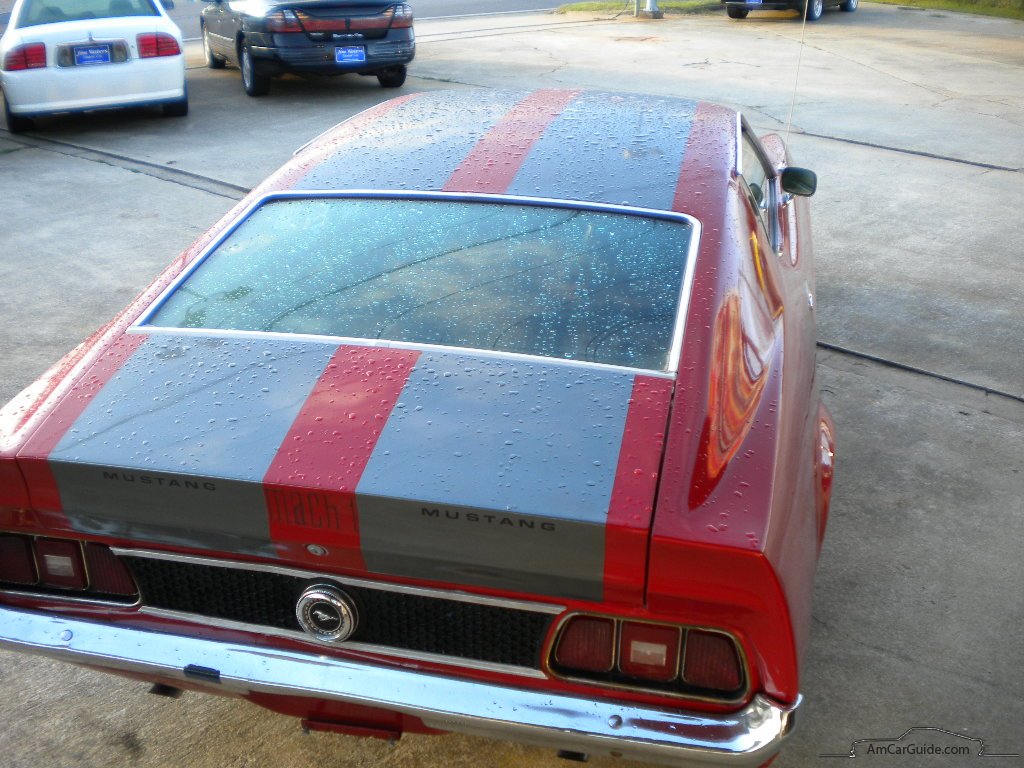
The Mach 1 body style debuted in 1969 and had a standard 351 V8 or optional 428 Cobra Jet. Cobra Jet had 3 states of its tune: non-ram-air, Super Cobra Jet and Drag Pack. All of them were driven hard, but orriginally were built to drive straight the quater mile… There were also BOSS Mustangs presented at 1969. These were originally built to qualify the 429 V8 for NASCAR. The BOSS had race ready 429 V8 with ram-air, aluminum high riser and exhaust manifolds [header-type]. Later, at 1970, Ford made BOSS 302 in order to compete Camaro Z/28 in Trans Am racing. Shelby Mustangs were still available, but were more luxury than power oriented. 1970 was also the last year for Shelby Cobra which actually were left over 199 models with some minor trim improvements.
Power loss
351 and 429 Cobra Jet dropped power [down to 285 and 370 HP] in 1971. The top power option was 429 Super Cobra Jet Ram Air with 375 HP. While following the industry, all power ratings were listed in net ratings in 1972. The top engine option was 351 275 HP Cleveland.
After emission controls went more strict, all engine options dropped again. Due to new federal guidelines towards bumper collision at 5mph, design got bloat-looks. Top performance engine had only 156 HP left [351 V8]. It was time for the second generation to come. Sadly, this generation had no intense in power gain.
P.S.: There are two stories where Mustang name came from: one is that it was suggested by Ford’s stylist that was a fan of WW2 fighter plane P-51 Mustang, an other – a book about horses “The Mustangs” that inspired Ford’s market researcher.








Leave a Reply
You must be logged in to post a comment.